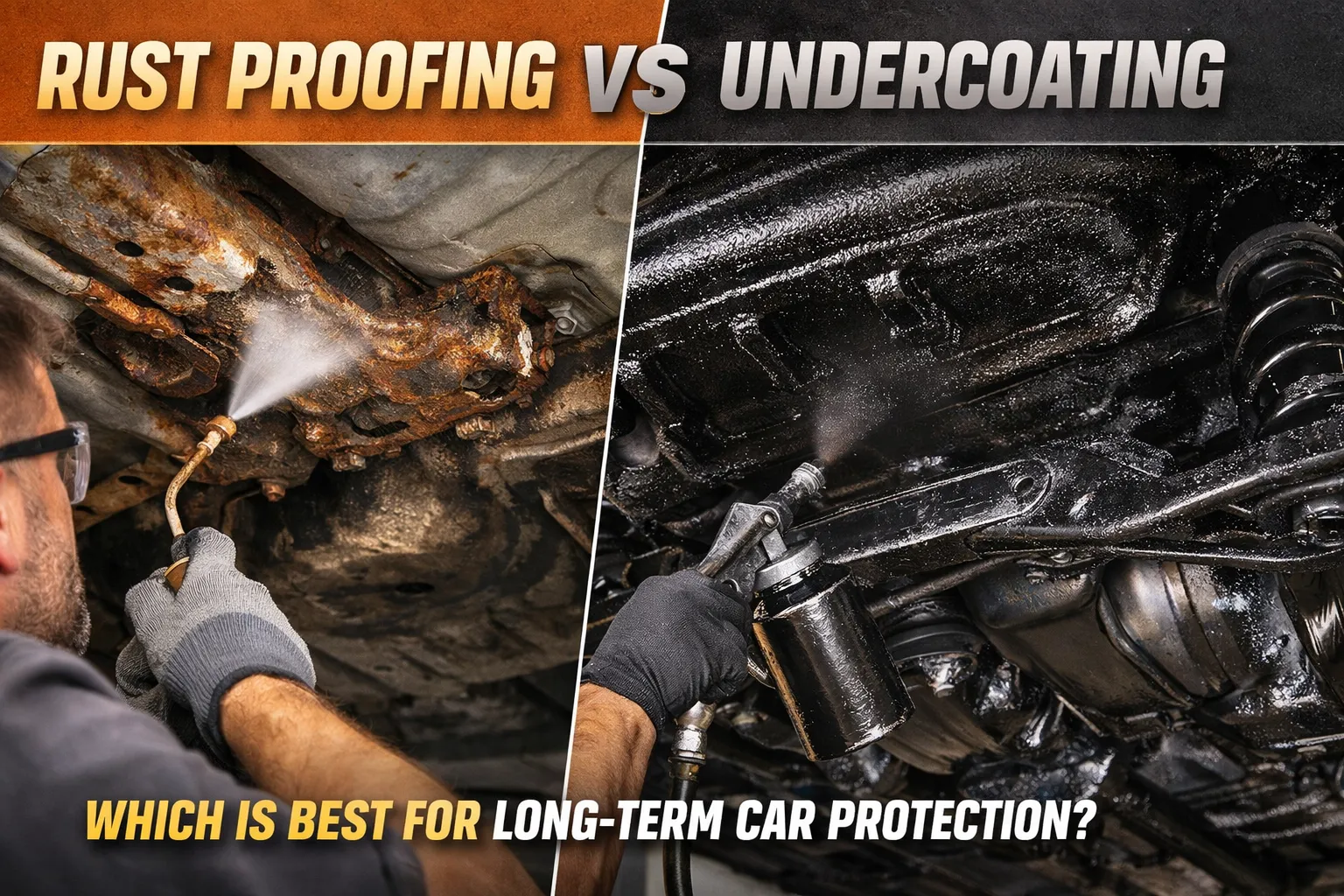
For those in a salt-covered wintery road area or a frequent battle with rain, humidity, or coastal factors, rust is up there as one of the largest long-term threats to your car’s aging process. Most drivers believe a modern car is completely impervious to rust, but that isn’t the case. Tiny chips, scratches and visible metal under the car are soon enough going to become cancerous corrosion problems. When rust penetration begins, it can spread quickly — and repairs often extend to thousands of dollars.
rust proofing vs undercoating this is where two common protection methods come into play: rust proofing and undercoating. They’re both meant to protect against corrosion, but they act differently and go on different parts of the vehicle. Car owners often mix them up or select the wrong alternative based on their driving conditions.
As we walk you through this rust proofing vs undercoating guide, I’ll show you how each method functions, the pros and cons of both methods, costs associated with each choice, tools needed to do a proper job on your vehicle – And which is probably best for your environment and driving identity. By the time you’re done, you’ll know exactly how to prevent your car from rusting so that it lasts for years and years come.
Quick Answer
- Rust proofing: Internal protection using oil or chemical treatments inside panels and seams.
- Undercoating: Thick protective layer applied to the underside of the vehicle.
- Best option: Use both for maximum rust protection, especially in snowy or coastal areas.
Why It Matters
- Prevents structural rust damage
- Extends vehicle lifespan
- Improves resale value
- Reduces repair costs
- Protects brake lines, suspension, and frame
- Ideal for winter and coastal climates
What You’ll Need
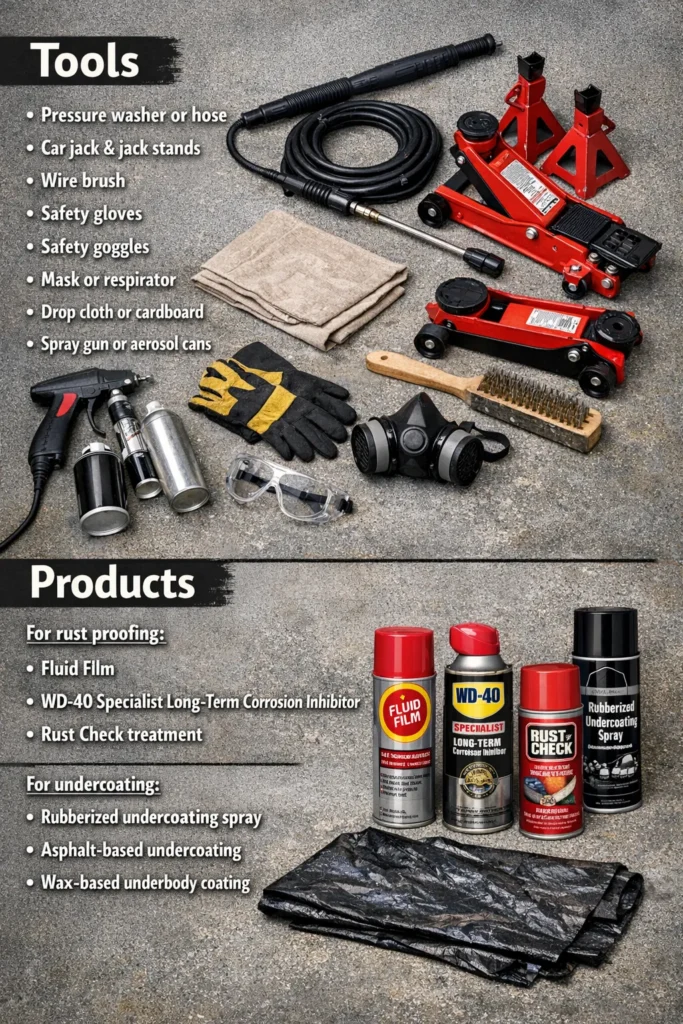
Tools
- Pressure washer or hose
- Car jack and jack stands
- Wire brush
- Safety gloves
- Safety goggles
- Mask or respirator
- Drop cloth or cardboard
- Spray gun or aerosol cans
Products
For rust proofing:
- Fluid Film
- WD-40 Specialist Long-Term Corrosion Inhibitor
- Rust Check treatment
For undercoating:
- Rubberized undercoating spray
- Asphalt-based undercoating
- Wax-based underbody coating
Step-by-Step Guide
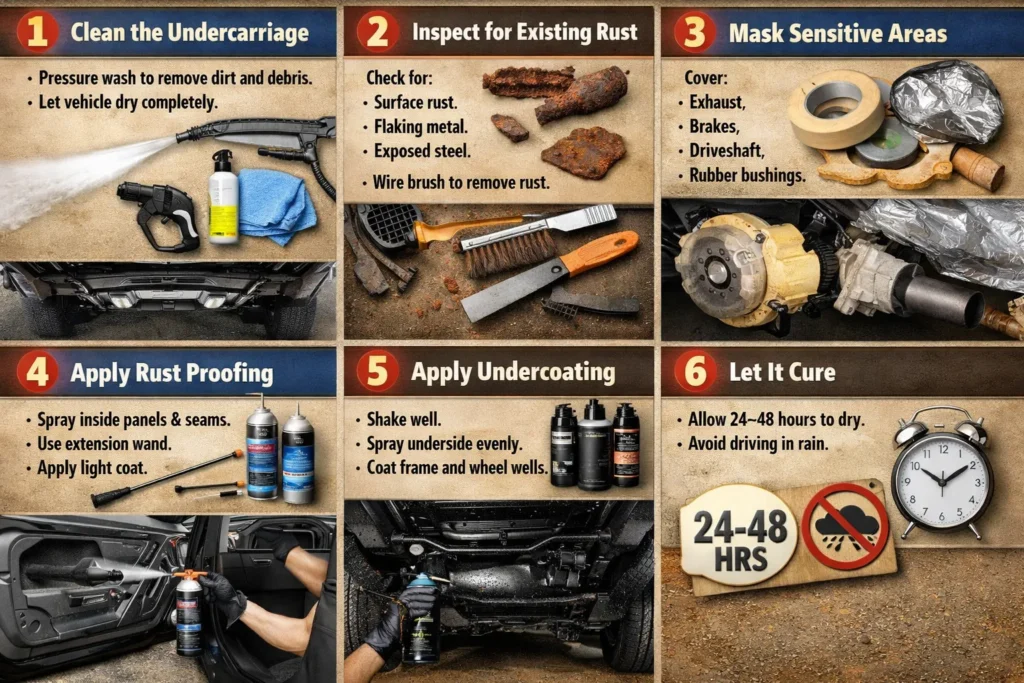
Step 1: Clean the Undercarriage
Use a pressure washer to remove dirt, salt, and debris.
Let the vehicle dry completely.
Step 2: Inspect for Existing Rust
Look for:
- Surface rust
- Flaking metal
- Exposed steel
Use a wire brush to remove loose rust.
Step 3: Mask Sensitive Areas
Cover:
- Exhaust components
- Brakes
- Driveshaft
- Rubber bushings
Step 4: Apply Rust Proofing
- Spray inside door panels, seams, and cavities.
- Use extension wands for deep areas.
- Apply a thin, even coat.
Step 5: Apply Undercoating
- Shake the can well.
- Spray the underside evenly.
- Focus on frame rails and wheel wells.
Step 6: Let It Cure
- Allow 24–48 hours to dry.
- Avoid driving in rain during this time.
Cost Breakdown
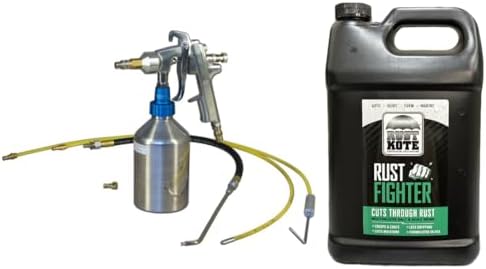

| Service Type | DIY Cost | Professional Cost | Lifespan |
|---|---|---|---|
| Rust proofing | $40–$100 | $120–$200 | 1 year |
| Undercoating | $60–$150 | $150–$400 | 1–3 years |
| Both combined | $100–$200 | $250–$600 | 2–3 years |
Explanation:
DIY is cheaper but requires tools and time. Professional services often provide better coverage and warranties.
Before and After
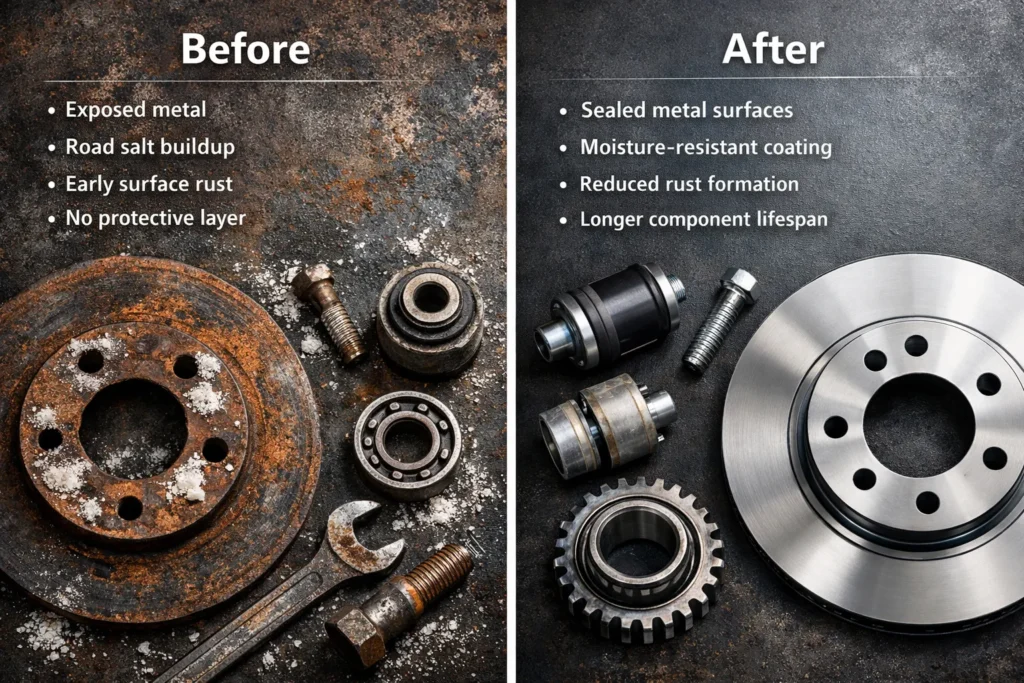
Before
- Exposed metal
- Road salt buildup
- Early surface rust
- No protective layer
After
- Sealed metal surfaces
- Moisture-resistant coating
- Reduced rust formation
- Longer component lifespan
Product Recommendations
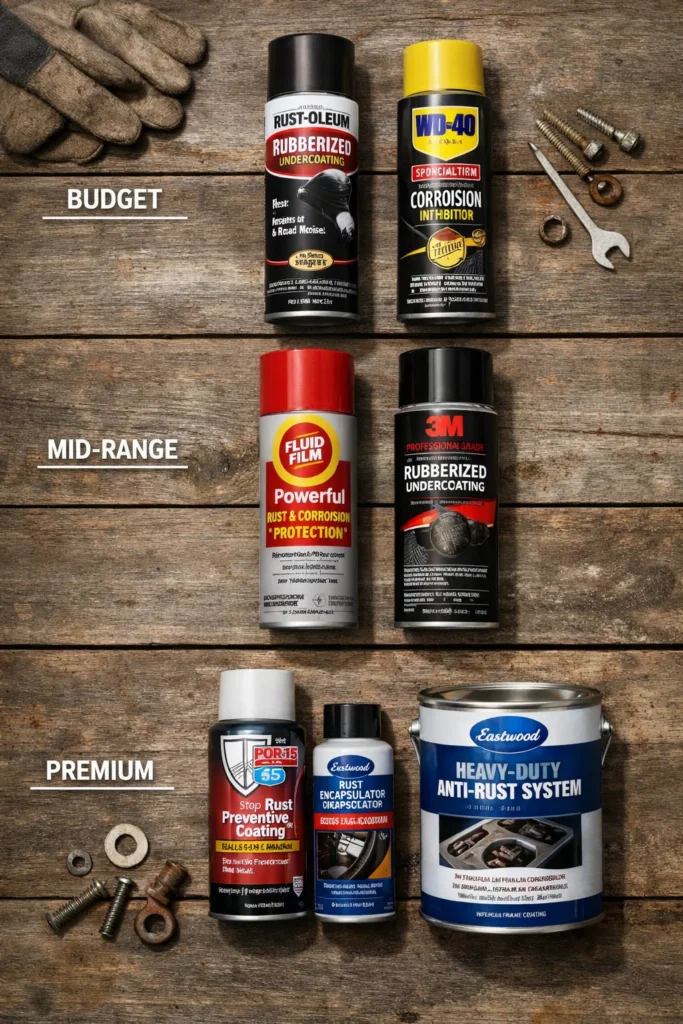
Budget
- Rust-Oleum Rubberized Undercoating Spray
- WD-40 Specialist Corrosion Inhibitor
Mid-Range
- Fluid Film Rust & Corrosion Protection
- 3M Professional Grade Undercoating
Premium
- POR-15 Rust Preventive Coating
- Eastwood Heavy-Duty Anti-Rust System
Comparison: Rust Proofing vs Undercoating
| Feature | Rust Proofing | Undercoating |
|---|---|---|
| Application area | Inside panels & seams | Underside of vehicle |
| Texture | Thin oil/wax | Thick rubberized layer |
| Main purpose | Stop rust from inside | Protect from impact & salt |
| Reapplication | Every 12 months | Every 1–3 years |
| Best for | Humid or coastal areas | Snowy or salted roads |
Troubleshooting Table
| Problem | Cause | Fix |
|---|---|---|
| Coating peeling | Dirty surface | Clean and reapply |
| Rust showing through | Existing rust untreated | Remove rust before coating |
| Dripping oil | Over-application | Wipe excess and let cure |
| Uneven coating | Poor spray technique | Apply thin, even layers |
Time Required and Difficulty
- Time: 2–4 hours
- Drying time: 24–48 hours
- Difficulty level: Beginner to intermediate
Pro Tips
Do
- Apply before winter
- Clean undercarriage first
- Use jack stands for safety
- Reapply annually
Don’t
- Spray on hot exhaust
- Apply over heavy rust
- Skip drying time
- Ignore hidden cavities
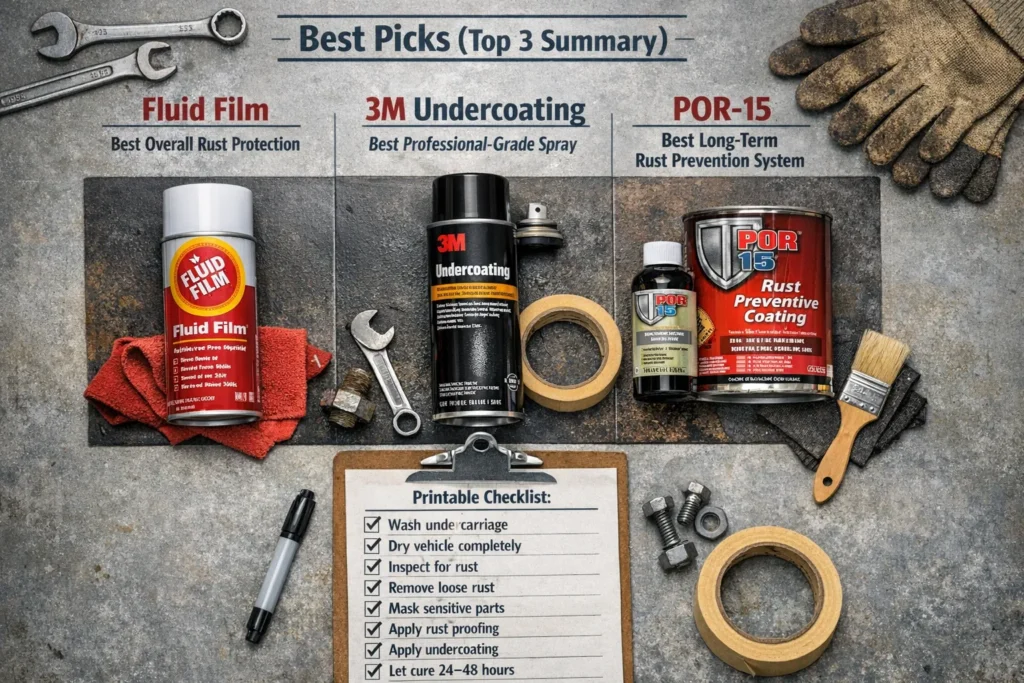
Best Picks
- Fluid Film: Best overall rust protection
- 3M Undercoating: Best professional-grade spray
- POR-15: Best long-term rust prevention system
Printable Checklist
- Wash undercarriage
- Dry vehicle completely
- Inspect for rust
- Remove loose rust
- Mask sensitive parts
- Apply rust proofing
- Apply undercoating
- Let cure 24–48 hours
Use Cases
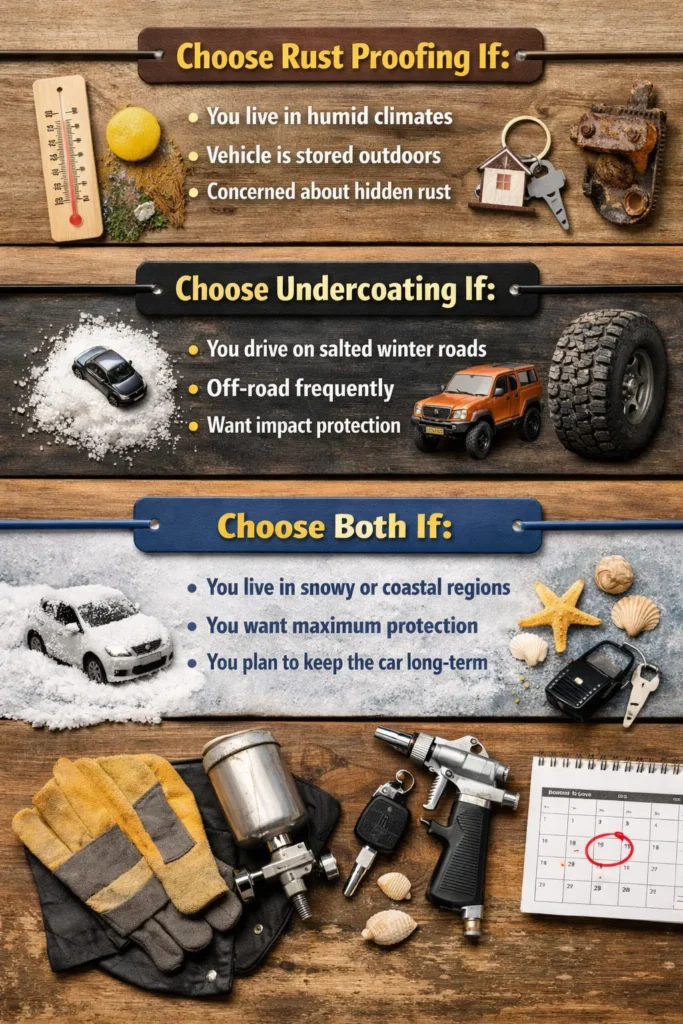
Choose Rust Proofing If:
- You live in humid climates
- Vehicle is stored outdoors
- Concerned about hidden rust
Choose Undercoating If:
- You drive on salted winter roads
- Off-road frequently
- Want impact protection
Choose Both If:
- You live in snowy or coastal regions
- You want maximum protection
- You plan to keep the car long-term
Common Mistakes to Avoid
- Applying over dirt or grease
- Skipping rust removal
- Using wrong product type
- Not reapplying annually
- Ignoring wheel wells
Warnings
- Always wear gloves and eye protection
- Work in a well-ventilated area
- Avoid inhaling spray fumes
- Never spray near hot engine parts
- Keep products away from open flames
FAQs
1. Is rust proofing the same as undercoating?
No. Rust proofing protects internal areas, while undercoating protects the underside.
2. Do new cars need rust proofing?
Yes, especially in snowy or coastal regions.
3. How often should I reapply rust proofing?
Usually once a year.
4. How long does undercoating last?
Typically 1–3 years depending on conditions.
5. Can I do both treatments?
Yes, and it’s often recommended.
6. Is DIY undercoating effective?
Yes, if applied correctly.
7. Does undercoating stop existing rust?
No. Rust must be removed first.
8. Is oil-based rust proofing messy?
It can drip slightly at first but offers strong protection.
9. How long does the process take?
Around 2–4 hours plus drying time.
10. Is professional treatment worth it?
Yes, for better coverage and warranty options.
Final Thought
If you are thinking rust proofing vs undercoating, the best option will depend on where you drive and park your vehicle, how much money you have to spend, rust proofing vs undercoating and how long you plan to keep your car. Rust proofing treats from inside, out- where rust often begins. rust proofing vs undercoating Undercoating creates a tough barrier under the vehicle that adds another layer of protection against road debris and elements like salt, water, and more. For the vast majority of drivers, that’s combining both methods/solutions — particularly if you drive in winter or along the coast. With the proper products and regular maintenance, you can increase your car’s useful life, maintain its value and avoid costly rust repairs. rust proofing vs undercoating

Leave a Reply