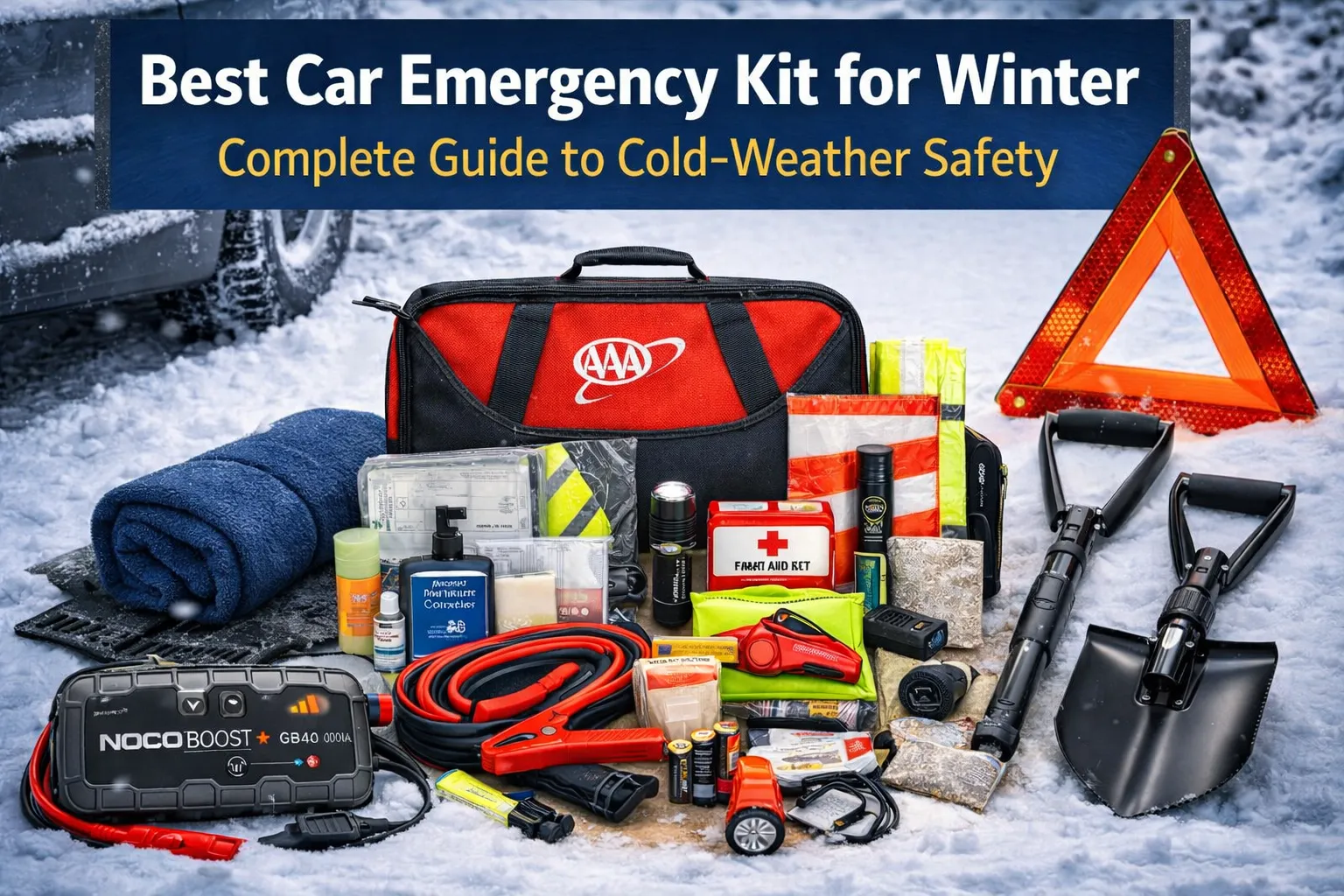
If your battery dies, you slide into a snowbank, or your car breaks down for any reason other than a fender bender under not-too-dire conditions, a standard winter day can suddenly become wouldn’t-wish-on-anyone hazardous. Winter driving has its own set of challenges — from the cold to ice-covered roads, limited visibility and longer wait times for roadside assistance. That’s why a car emergency kit for winter is not only smart, but necessary for your well-being.
car emergency kit for winter Most drivers believe that when the snow starts to fall, they’re equipped with a car so winter driving will be just fine; however, even reliable automobiles can get stuck in the white stuff, run out of battery or need repairs. It is hard to stay warm, visible and safe without the right equipment.
See what other items should be included in the bestcar emergency kit for winter emergency kit for winter, how to use them and what they cost to prepare properly. Whether you’re a daily commuter, want to plan road trips, or living in the heavy snow areas, follow this guide and build out your winter kit so that you’re prepared for everything.
Quick Answer
A car emergency kit for winter should include:
- Jumper cables or jump starter
- Blanket or sleeping bag
- Flashlight with batteries
- Ice scraper and snow brush
- First aid kit
- Non-perishable snacks
- Water
- Traction aids
- Phone charger
- Reflective triangles
Why It Matters
- Prevents freezing during breakdowns
- Helps you restart your car in cold weather
- Improves visibility in emergencies
- Allows basic roadside repairs
- Keeps you hydrated and energized
- Reduces panic and improves survival chances
What You’ll Need
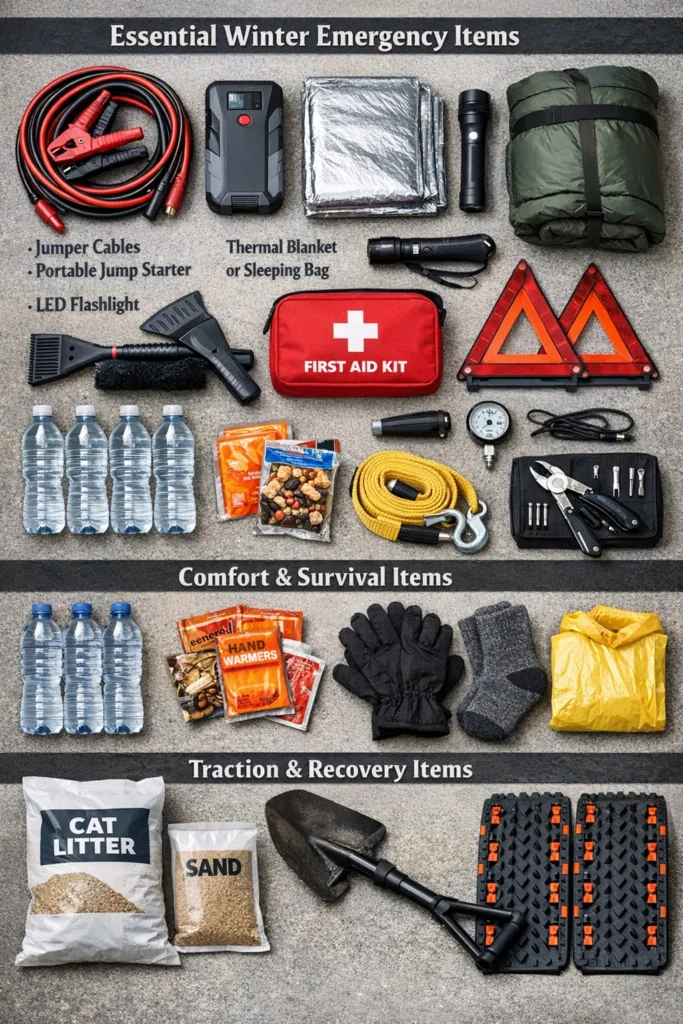
Essential Winter Emergency Items
- Jumper cables or portable jump starter
- Thermal blanket or sleeping bag
- LED flashlight
- Ice scraper with snow brush
- First aid kit
- Reflective warning triangles
- Portable phone charger
- Tire pressure gauge
- Tow strap
- Multi-tool or basic toolkit
Comfort & Survival Items
- Bottled water
- Energy bars or trail mix
- Hand warmers
- Extra gloves and socks
- Emergency poncho
Traction & Recovery Items
- Cat litter or sand
- Folding shovel
- Tire traction mats
Step-by-Step Guide
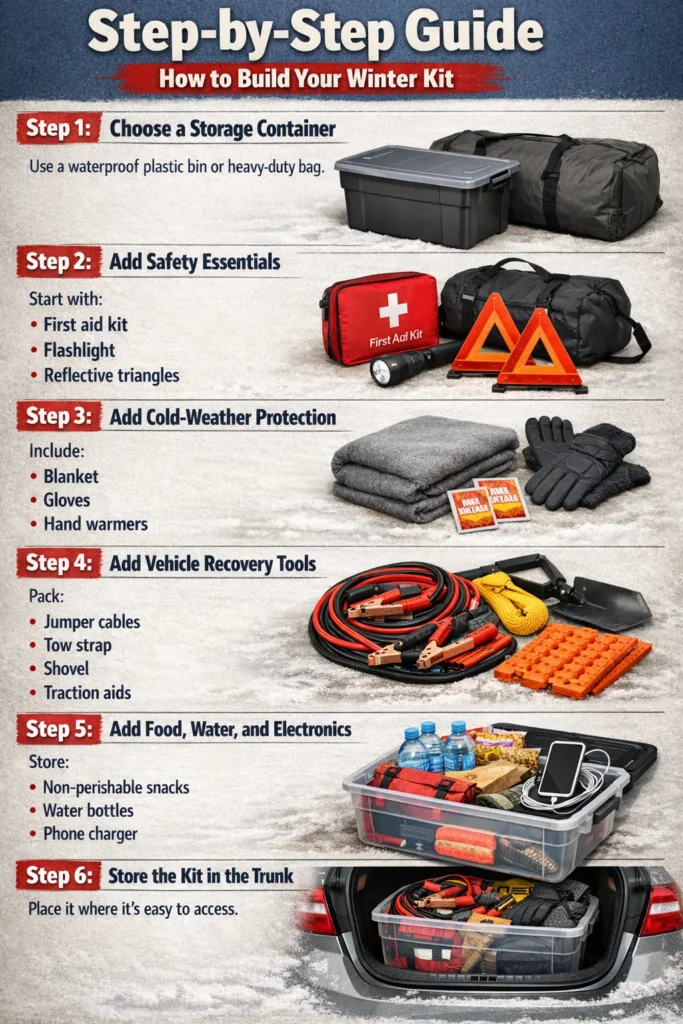
Step 1: Choose a Storage Container
Use a waterproof plastic bin or heavy-duty bag.
Step 2: Add Safety Essentials
Start with:
- First aid kit
- Flashlight
- Reflective triangles
Step 3: Add Cold-Weather Protection
Include:
- Blanket
- Gloves
- Hand warmers
Step 4: Add Vehicle Recovery Tools
Pack:
- Jumper cables
- Tow strap
- Shovel
- Traction aids
Step 5: Add Food, Water, and Electronics
Store:
- Non-perishable snacks
- Water bottles
- Phone charger
Step 6: Store the Kit in the Trunk
Place it where it’s easy to access.
Cost Breakdown
| Item | Budget | Mid-Range | Premium |
|---|---|---|---|
| Jumper cables | $15 | $30 | $80 jump starter |
| Blanket | $10 | $25 thermal | $60 sleeping bag |
| Flashlight | $8 | $20 LED | $60 rechargeable |
| First aid kit | $10 | $25 | $50 pro kit |
| Shovel | $12 | $25 folding | $60 heavy-duty |
| Traction aids | $8 | $20 | $60 mats |
Total Estimated Cost
- Budget kit: $60–$80
- Mid-range kit: $120–$160
- Premium kit: $250+
Before and After

Before Having a Winter Kit
- Stranded without warmth
- Phone battery dies
- No traction to escape snow
- Unsafe roadside conditions
After Having a Winter Kit
- Stay warm with blankets
- Jump-start battery
- Use traction aids to escape
- Stay visible and safe
Product Recommendations
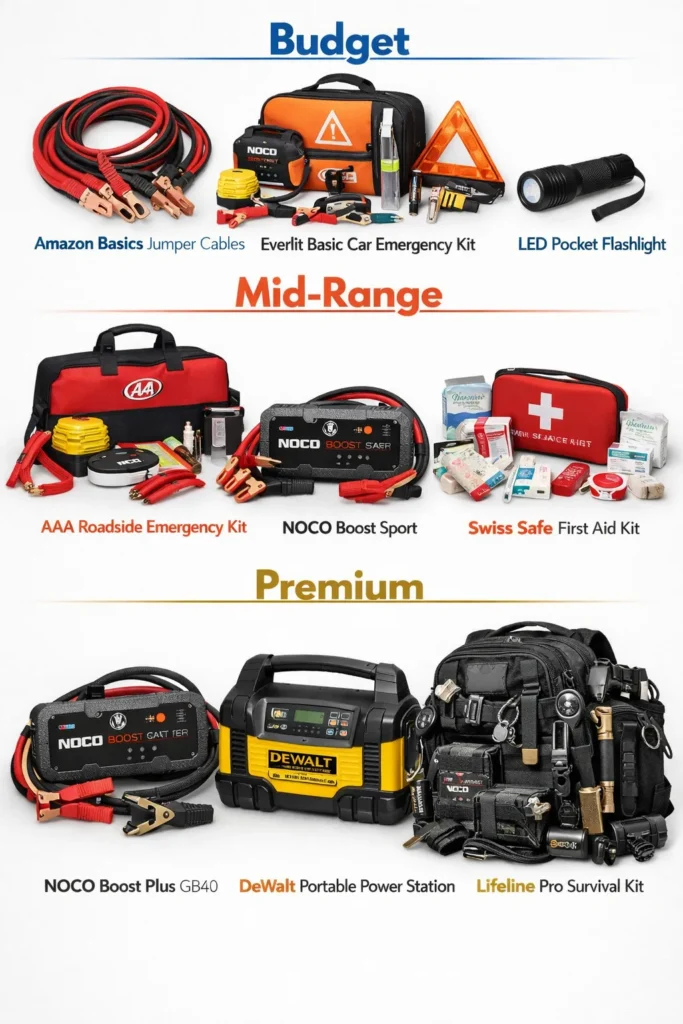

Budget
- Amazon Basics Jumper Cables
- Everlit Basic Car Emergency Kit
- LED Pocket Flashlight
Mid-Range
- AAA Roadside Emergency Kit
- NOCO Boost Sport Jump Starter
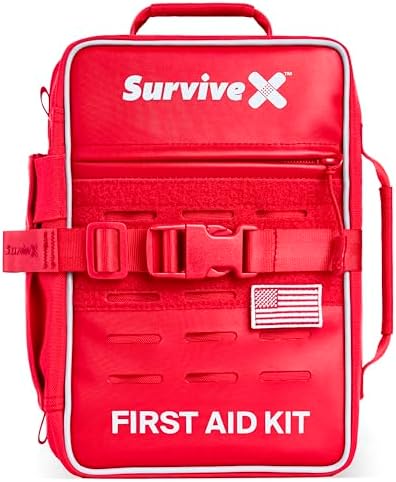
- Swiss Safe First Aid Kit
Premium
- NOCO Boost Plus GB40
- DeWalt Portable Power Station
- Lifeline Pro Survival Kit
Comparison Section
| Feature | Jumper Cables | Jump Starter |
|---|---|---|
| Needs another car | Yes | No |
| Ease of use | Moderate | Very easy |
| Cost | Low | Higher |
| Winter reliability | Depends on helper | Independent power |
Best choice for winter: Jump starter.
Troubleshooting Table
| Problem | Likely Cause | Fix |
|---|---|---|
| Car won’t start | Dead battery | Use jump starter |
| Tires spinning in snow | No traction | Add sand or mats |
| Frozen windshield | Ice buildup | Use scraper |
| Phone battery dead | Cold drain | Use power bank |
Time Required and Difficulty Level
- Setup time: 30–60 minutes
- Difficulty: Easy (Beginner friendly)
Pro Tips (Do/Don’t)
Do
- Check kit every month
- Replace expired food
- Keep batteries charged
Don’t
- Store liquids that freeze easily
- Forget warm clothing
- Ignore tire condition
Best Picks
- NOCO Boost Plus GB40 – Best overall jump starter
- AAA 121-Piece Emergency Kit – Best value kit
- AstroAI Folding Snow Shovel – Best compact shovel
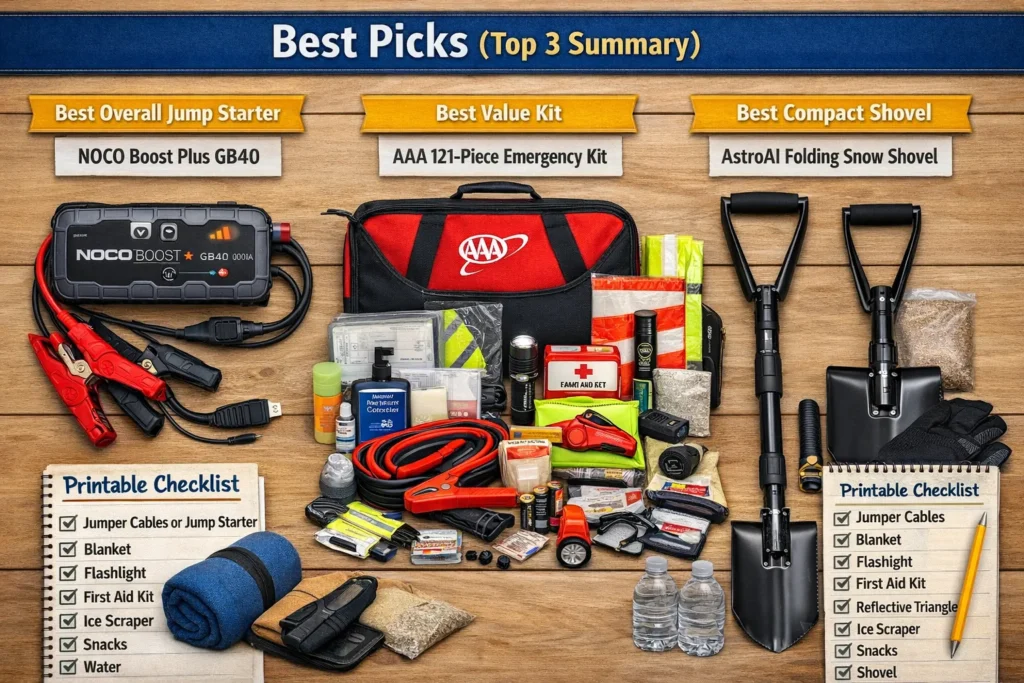
Printable Checklist
- Jumper cables or jump starter
- Blanket
- Flashlight
- First aid kit
- Reflective triangles
- Ice scraper
- Snacks
- Water
- Phone charger
- Gloves
- Shovel
- Traction aid
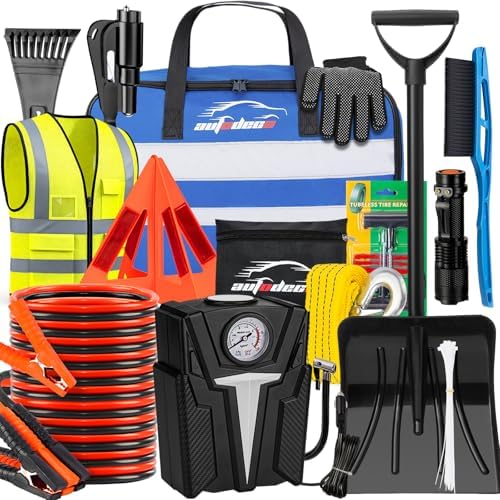

Use Cases
| Situation | Best Kit Type |
|---|---|
| City driving | Budget kit |
| Daily winter commute | Mid-range kit |
| Remote snowy areas | Premium kit |
| Long road trips | Premium kit with extra supplies |
Common Mistakes to Avoid
- Only carrying jumper cables
- Forgetting warm clothing
- Not checking battery health
- Storing expired food or water
Safety Notes
- Never run the engine in a closed space.
- Keep exhaust pipe clear of snow.
- Stay inside the vehicle if stranded.
- Use reflective triangles for visibility.
FAQs
1. What is the most important item in a winter car kit?
A jump starter or jumper cables.
2. How often should I check my kit?
Every month during winter.
3. Can I buy a pre-made kit?
Yes, many reliable kits are available.
4. Should I keep water in freezing weather?
Yes, but use insulated bottles.
5. Do I need a shovel?
Yes, especially in snowy regions.
6. Are blankets enough for extreme cold?
Use thermal blankets or sleeping bags.
7. What food should I keep?
Energy bars, nuts, or trail mix.
8. Should electric cars have a winter kit?
Yes, all vehicles need one.
9. Where should I store the kit?
In the trunk or rear cargo area.
10. Is a jump starter better than cables?
Yes, because it doesn’t require another vehicle.
Final Thought
A car emergency kit for winter is a simple and powerful way to protect yourself during cold-weather driving. But with some minor investment and preparation, you can shield yourself and any passengers from the most common of roadside winter emergencies. With this in mind, whether you’re opting for a budget kit of tools or setting up your ideal tool area at home, it’s having the right stuff before you actually need it that really matters. Winter weather can be unpredictable, but if you’re equipped with a well-stocked emergency kit, then you’re ready for whatever the road throws your way.

Leave a Reply